
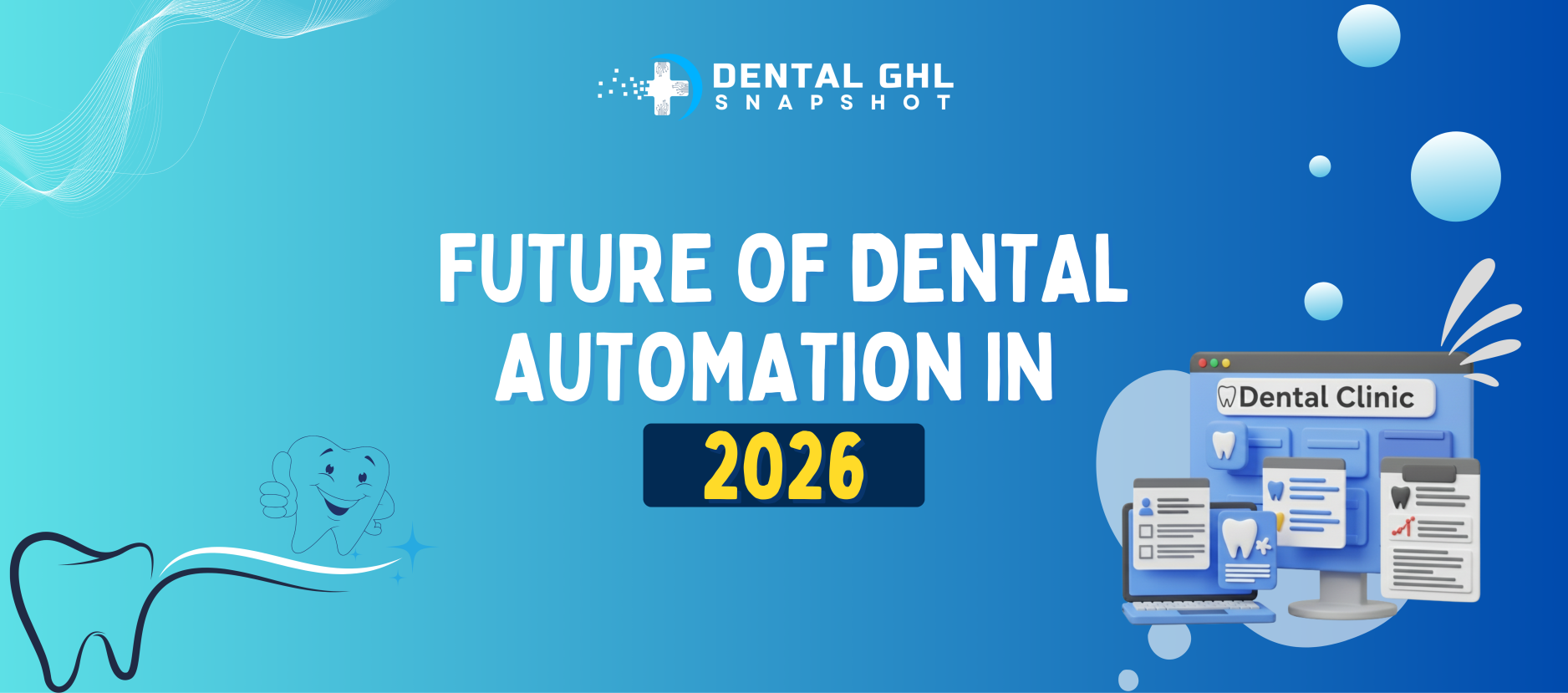
The dental industry is undergoing a technological revolution, and dental automation is at the forefront of this change. With advancements in artificial intelligence (AI), machine learning, and workflow optimization, dental practices are becoming more efficient, improving patient care, and streamlining everyday tasks. In 2026, dental automation will continue to reshape the way dental professionals interact with patients and manage their practices.
Key Takeaways
- AI-driven automation will revolutionize patient engagement, making scheduling, reminders, and inquiries more seamless.
- Smart appointment systems will become standard, reducing no-shows and optimizing appointment management.
- Data-driven insights will help practices enhance patient care and boost productivity.
- The integration of automated systems for patient records and insurance claims will reduce administrative burdens.
Rise of AI in Dental Automation
Artificial Intelligence (AI) is transforming numerous industries, and dentistry is no exception. In 2026, AI will play an even larger role in automating dental practices, from diagnostics to patient management.
AI-Powered Patient Engagement
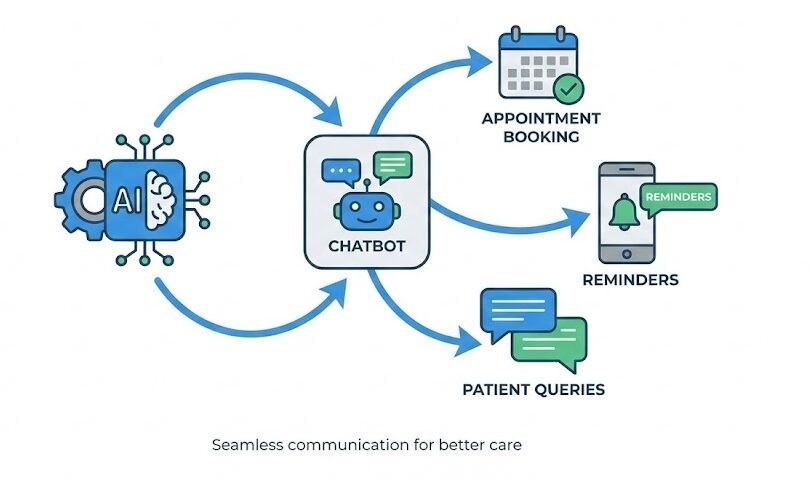
One of the most exciting AI innovations in dental automation is the development of AI-driven patient engagement tools. These systems are designed to interact with patients through chatbots, virtual assistants, and voice recognition technologies. By automating communication, these systems can handle everything from appointment scheduling to answering frequently asked questions about treatments.
For example, AI-powered chatbots can provide instant responses to patient inquiries about office hours, insurance coverage, or available treatments. These tools will become more intuitive in 2026, able to understand natural language and provide tailored responses based on patient history and preferences.
AI will also help in appointment management, automatically scheduling, confirming, and rescheduling appointments. This reduces the need for front-office staff to manually handle appointments, freeing up time for them to focus on more complex tasks. Furthermore, AI chatbots can follow up with patients through multiple channels, such as SMS, email, or even voice calls, ensuring that reminders and confirmations are timely and effective.
Automated Scheduling and Appointment Reminders
No-shows and last-minute cancellations have always been a challenge for dental practices, leading to wasted time and lost revenue. However, with the continued advancement of automated scheduling systems, this issue will become a thing of the past.
AI-Enhanced Scheduling Systems
- Online Scheduling: AI-driven scheduling tools will enable patients to book their appointments online at any time, making the process more convenient.
- Insurance Verification: The system will automatically verify patient insurance coverage, ensuring that the appointment can be scheduled without delays.
- AI-Powered Time Selection: AI will select the best appointment times based on the dentist’s availability and the patient’s preferences, optimizing schedules.
- Automated Rescheduling: If a patient needs to reschedule, the system will automatically adjust the calendar, filling any gaps with other patients from the waiting list.
- Predictive Analytics: AI systems will analyze patient history and preferences to suggest the optimal time for routine treatments, reducing the chances of missed appointments.
- No-Show Risk Prediction: By tracking past appointments and patient behavior, AI will predict which patients are most likely to miss appointments and send proactive reminders or incentives.
Smarter Reminder Systems
- Personalized Communication: Automated reminder systems will be able to engage patients via their preferred communication channels—SMS, email, or even voice messages.
- Multiple Reminder Touchpoints: Reminders will be sent at various intervals (24 hours, 1 hour, 15 minutes) before the appointment to ensure maximum attendance.
- Increased Patient Engagement: These smart systems will reduce the reliance on manual calls and generic emails, making reminders more relevant and timely.
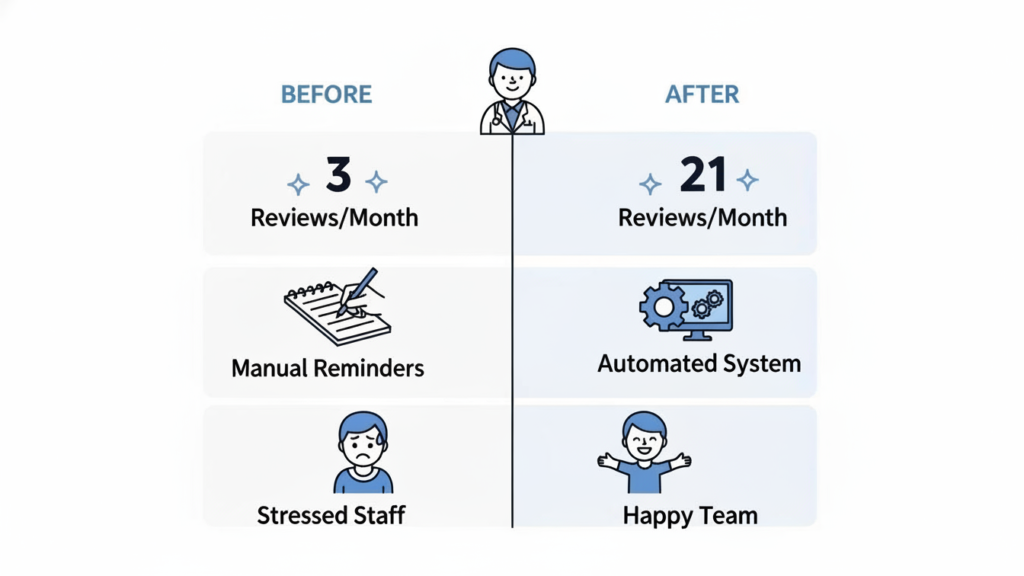
- Reduced No-Shows: With smarter, multi-channel reminders, dental practices will experience fewer missed visits and last-minute cancellations.
Enhancing the Patient Experience with Automation
Personalized Communication
With automated systems managing appointment scheduling, follow-up reminders, and patient inquiries, dental practices can provide highly personalized communication. For instance, if a patient is due for a cleaning, the system might send them a reminder with customized tips on oral hygiene or information about new treatments.
Additionally, practices can send tailored offers, such as discounts on teeth whitening or special promotions for new services. These automated interactions will feel less like traditional marketing and more like personal care, improving patient engagement and loyalty.
Seamless Patient Check-In
Automated check-in systems will allow patients to bypass the front desk and proceed directly to their treatment. By 2026, practices will be able to offer fully digital check-ins, where patients can confirm their personal details, sign forms, and make payments all through a mobile app or kiosk in the waiting room.
This reduces wait times and enhances the overall experience, allowing staff to focus on more pressing patient needs.
Future of Dental Automation in 2026
As technology advances, the possibilities for dental automation are endless. In 2026, we will likely see even more sophisticated tools emerge, such as:
AI-driven diagnostics that can detect early signs of dental issues with greater accuracy.
Smart inventory management systems that track supplies and automatically reorder when stock is low.
Robotic surgery assistants that help with precision tasks during dental surgeries, making procedures quicker and more efficient.
Frequently Asked Questions
What is dental automation?
How will AI improve dental care in 2026?
Is dental automation expensive?
Can dental automation systems integrate with existing practice management software?
Are reminders customizable?
How does automation improve patient engagement?
Can automated systems manage multiple locations?
Conclusion
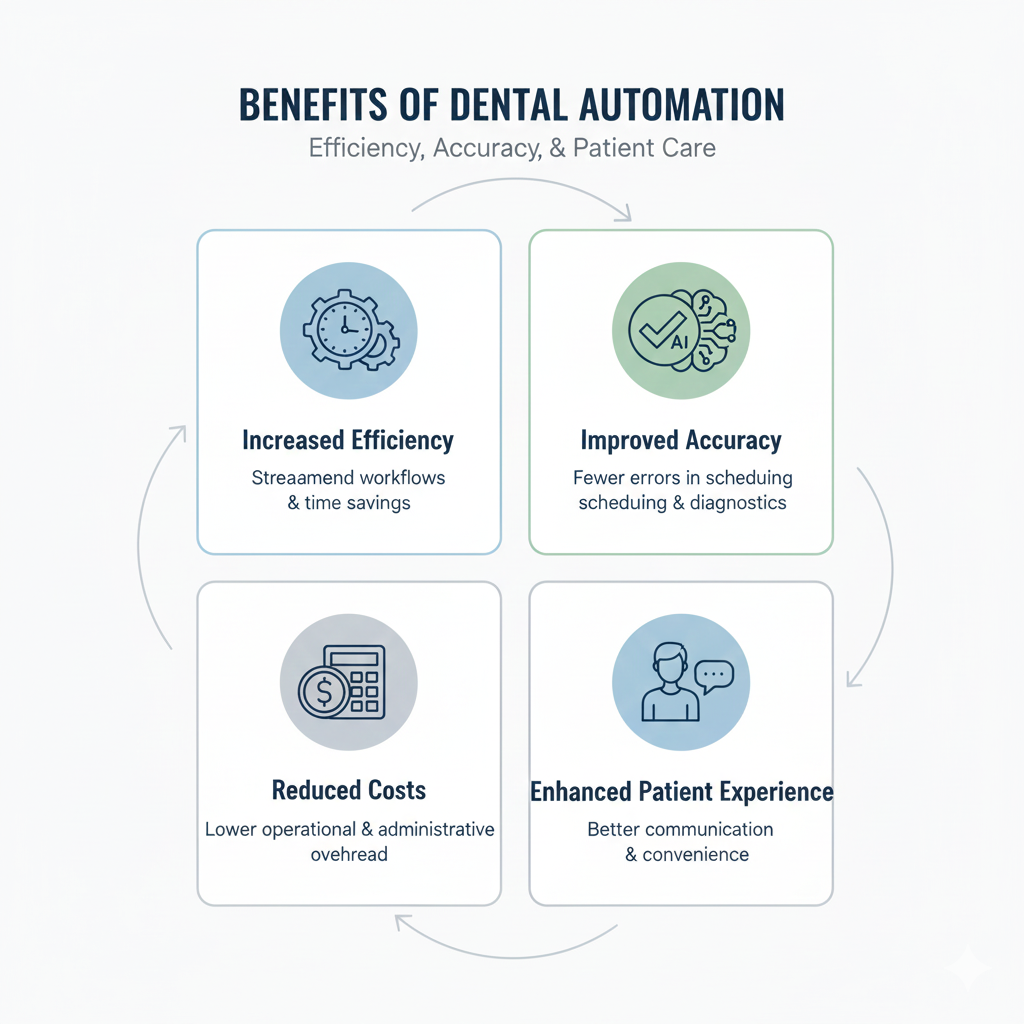
As dental practices look to the future, dental automation will undoubtedly become a cornerstone of modern dentistry. In 2026, AI-driven tools and automated systems will not only streamline administrative tasks but will also enhance patient care, improve engagement, and optimize practice efficiency. By embracing these innovations, dental professionals can reduce no-shows, cut down on manual work, and provide a more personalized, seamless experience for their patients. While the upfront investment in automation tools may seem significant, the long-term benefits ranging from time savings to improved patient satisfaction make it a smart and necessary investment for any practice aiming to stay competitive in the evolving dental landscape. The future is bright for dental automation, and those who adapt early will be well-positioned to lead in patient care and operational excellence.
Ready to transform your dental practice?
See how CRM automation can streamline your practice and boost efficiency. Schedule a free demo today!